By clicking “Accept All Cookies”, you agree to the storing of cookies on your device to enhance site navigation, analyze site usage, and assist in our marketing efforts. View our Privacy Policy for more information.
Marketplace org structures are different than first-party ecommerce businesses because they have (at least) two areas of focus: the buyer and seller sides.
This article dives into the organizational structure needed for launching a marketplace.
Starting or managing a multi-vendor marketplace can be a daunting task. In fact, while a traditional SaaS or ecommerce startup should see traction within 6 to 9 months, a marketplace can take three years to validate. Check out the must read books for marketplace founders here.
Multi-vendor marketplace platforms are the invisible tools powering marketplace giants. Learn how to choose the best multi-vendor marketplace platform and the functions it needs for a marketplace to thrive.
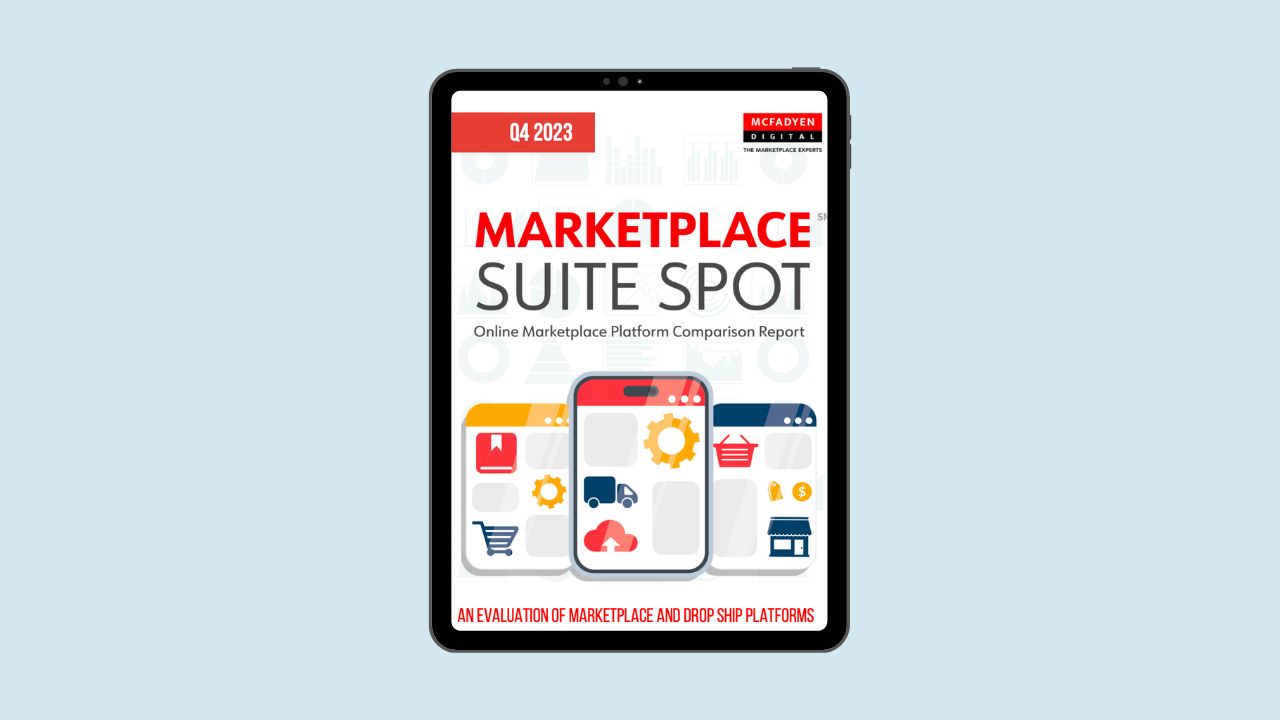
The Traide is highlighted in the latest edition of McFadyen's Suite Spot Report — highlighting the top marketplace development platforms on the market.
The ecommerce customer experience is a vehicle for trust, repeat customers, and revenue. Here’s how to optimize your marketplace for buyer satisfaction and online sales.
As the lines between B2B buyers and consumers become continually blurred, innovating new ways to meet or exceed expectations will be critical. Here are 5 B2B ecommerce trends to watch for 2024.



%252520(1).jpeg)
.jpeg)


.jpg)